Esports coverage has transformed how millions of fans experience competitive gaming. From live tournament broadcasts to in-depth player interviews, dedicated media outlets now deliver round-the-clock content to a global audience. The industry generated over $1.8 billion in 2024, and coverage plays a central role in driving that growth.
Whether someone follows League of Legends championships or watches Counter-Strike 2 majors, they rely on quality journalism and streaming platforms to stay informed. This guide breaks down what esports coverage includes, where to find it, and where the industry is headed.
Table of Contents
ToggleKey Takeaways
- Esports coverage includes live broadcasts, news articles, podcasts, video content, and social media updates that keep fans informed about competitive gaming.
- The esports industry generated over $1.8 billion in 2024, with media coverage playing a central role in driving audience engagement and growth.
- Dedicated outlets like Dexerto, Dot Esports, and mainstream publications like ESPN now provide professional esports journalism to global audiences.
- Fans between 18 and 34 make up the largest audience for esports coverage, preferring digital platforms and short-form content over traditional TV.
- The future of esports coverage includes AI-powered tools, interactive viewing experiences, and expanded mobile gaming content for global markets.
- Following multiple sources and cross-referencing reports helps fans verify accuracy and get complete coverage of esports news.
What Is Esports Coverage?
Esports coverage refers to all media content that reports on, analyzes, or broadcasts competitive video gaming events. It includes live streams, news articles, podcasts, video highlights, and social media updates. Professional journalists, content creators, and broadcast teams work together to deliver this content.
At its core, esports coverage serves the same function as traditional sports media. It keeps fans informed about tournaments, team rosters, player transfers, and match results. But, it also addresses topics unique to gaming, patch notes, meta shifts, and game balance changes that affect competitive play.
The audience for esports coverage skews younger than traditional sports viewers. Most consumers are between 18 and 34 years old, and they prefer digital platforms over television. This shapes how coverage gets produced and distributed. Short-form video content, social media posts, and interactive live streams dominate the space.
Esports coverage also builds narratives around players and teams. Fans want to know the stories behind their favorite competitors. Who trained for years in obscurity before winning a major? Which team rebuilt after a devastating loss? Good coverage answers these questions and creates emotional connections between viewers and the games they love.
Types of Esports Media and Journalism
Esports coverage takes many forms. Each type serves a different purpose and reaches fans in different ways.
Live Tournament Broadcasting
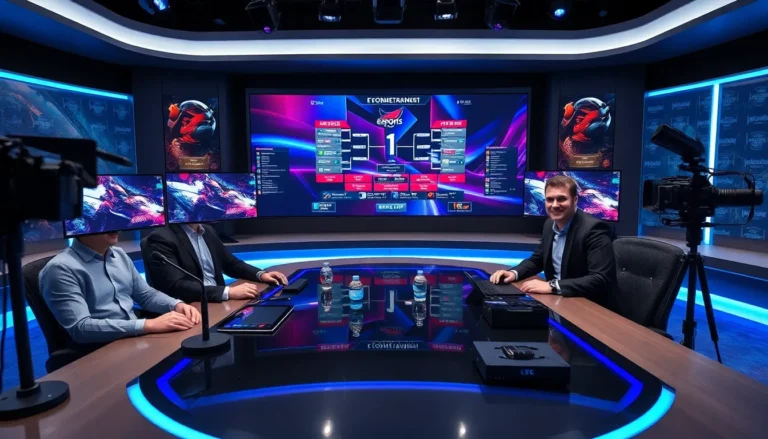
Live broadcasts remain the backbone of esports coverage. Platforms like Twitch, YouTube Gaming, and regional streaming services host millions of concurrent viewers during major events. Professional casters provide play-by-play commentary, while analysts break down strategies between matches. Production quality has improved dramatically, modern broadcasts feature augmented reality graphics, multiple camera angles, and polished studio segments.
Written Journalism and News
Traditional journalism plays a vital role in esports coverage. Reporters cover roster changes, organization drama, and industry business deals. Investigative pieces expose misconduct or unfair labor practices. Feature stories profile players and explore the human side of competition. Publications like Dexerto, Dot Esports, and ESPN Esports produce daily content for readers who want more depth than social media provides.
Video Content and Documentaries
Video essays and documentaries have exploded in popularity. Creators produce long-form content exploring game histories, legendary matches, and player biographies. These pieces attract both hardcore fans and casual viewers curious about esports culture. YouTube channels dedicated to esports coverage often accumulate millions of subscribers.
Podcasts and Audio Content
Podcasts offer another avenue for esports coverage. Hosts discuss weekly news, interview industry figures, and debate hot topics. Listeners tune in during commutes or while gaming themselves. The format allows for deeper conversations than short articles or social media posts.
Social Media Coverage
Twitter (now X), Reddit, and TikTok drive real-time esports coverage. Teams post updates, players share personal content, and fans discuss matches as they happen. Clips from broadcasts spread rapidly across platforms. For many younger fans, social media serves as their primary source of esports news.
Where to Find Quality Esports Coverage
Finding reliable esports coverage requires knowing where to look. The landscape includes dedicated outlets, mainstream publications, and creator-driven content.
Dedicated Esports Publications: Sites like Dexerto, Dot Esports, TheScore Esports, and Upcomer focus exclusively on competitive gaming. They employ professional journalists and produce original reporting. These outlets cover breaking news, tournament results, and industry analysis.
Mainstream Sports Media: ESPN, BBC Sport, and The Washington Post now include esports coverage in their sports sections. This signals mainstream acceptance of competitive gaming as a legitimate spectator activity. Coverage from these outlets often reaches audiences unfamiliar with esports.
Streaming Platforms: Twitch and YouTube remain essential for live esports coverage. Official game channels broadcast major tournaments with professional production. Fans can watch events in real-time and interact with other viewers through chat.
Team and League Websites: Official sources provide accurate information about schedules, rosters, and standings. The League of Legends Championship Series, Valorant Champions Tour, and Call of Duty League all maintain comprehensive websites with esports coverage.
Independent Creators: YouTubers and podcasters produce some of the best esports coverage available. Their independence allows for honest opinions and creative approaches. Many build dedicated communities around specific games or leagues.
Quality varies across sources. Fans should follow multiple outlets to get complete pictures of stories. Cross-referencing reports helps verify accuracy, especially for roster rumors and unconfirmed news.
The Future of Competitive Gaming Media
Esports coverage continues to evolve alongside the industry it serves. Several trends will shape its direction in coming years.
Mobile esports is growing rapidly, particularly in Asia and Latin America. Games like Mobile Legends and Free Fire attract massive audiences. Coverage will expand to serve these communities with localized content and dedicated broadcasting.
Artificial intelligence tools are changing how content gets produced. Automated highlight reels, AI-generated statistics, and real-time data visualization enhance esports coverage without replacing human journalists. These tools allow small teams to produce more content faster.
Interactive viewing experiences will become standard. Watch parties, co-streaming options, and viewer participation features let fans engage with esports coverage rather than passively consume it. Platforms are investing heavily in these technologies.
Monetization models are shifting. Subscription services, premium content tiers, and exclusive behind-the-scenes access give outlets new revenue streams. This could improve the quality of esports coverage by funding more ambitious projects.
Traditional sports organizations continue entering esports. Their media expertise raises production standards across the industry. Expect esports coverage to look increasingly professional as investment grows.
The audience for competitive gaming media is expanding globally. Coverage in multiple languages, cultural localization, and regional focus will help esports reach new fans worldwide.