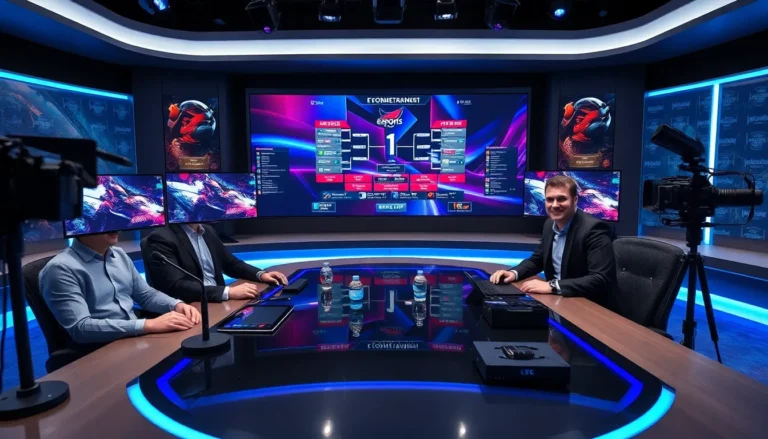
An esports coverage guide helps journalists and content creators report on competitive gaming with accuracy and impact. The esports industry generated over $1.8 billion in revenue in 2024, and audiences now exceed 500 million viewers worldwide. This growth creates real demand for quality reporting.
Whether someone covers League of Legends championships or Call of Duty tournaments, they need specific skills and tools. This guide breaks down everything from understanding game mechanics to building a loyal readership. It covers the platforms professionals use, strategies for live event coverage, and methods for establishing credibility in a competitive field.
Table of Contents
ToggleKey Takeaways
- A strong esports coverage guide recommends specializing in two or three game titles to produce deeper, more credible reporting.
- Use dedicated data sources like HLTV.org, Liquipedia, and Oracle’s Elixir to fact-check statistics and uncover story angles.
- Prepare thoroughly before live events by researching rosters, head-to-head records, and storylines to meet tight deadlines.
- Build credibility through consistent accuracy—one factual error can damage a reputation that took months to establish.
- Grow your audience by posting quality content consistently across platforms and collaborating with other creators in the esports space.
Understanding the Esports Landscape
Before writing a single article, reporters must understand the esports ecosystem. This industry includes professional leagues, amateur tournaments, game publishers, team organizations, and streaming platforms. Each element connects to create the competitive gaming world that millions follow daily.
Major Esports Titles and Their Scenes
Different games attract different audiences and require different expertise. League of Legends dominates in Asia and Europe with structured league systems. Counter-Strike 2 maintains a passionate following with its tournament circuit. Valorant has grown rapidly since its 2020 launch. Fighting games like Street Fighter 6 have their own dedicated community with distinct culture and terminology.
A solid esports coverage guide recommends specialization. Trying to cover every game leads to shallow reporting. Smart journalists pick two or three titles and learn them deeply. They watch matches, study team rosters, and follow player transfers.
Key Organizations and Stakeholders
Esports involves multiple stakeholders that reporters should track:
- Game Publishers: Riot Games, Valve, Activision Blizzard, and others control the games and often run official leagues
- Team Organizations: Groups like Team Liquid, Cloud9, and Fnatic field rosters across multiple titles
- Tournament Organizers: Companies like ESL, BLAST, and PGL produce major events
- Streaming Platforms: Twitch, YouTube Gaming, and Kick broadcast matches to global audiences
Understanding these relationships helps journalists identify story angles and sources. A roster change at T1 might seem minor, but knowing the org’s history adds context that readers appreciate.
Essential Tools and Platforms for Esports Journalism
Quality esports coverage requires the right tools. Reporters need platforms for research, communication, and content distribution.
Research and Data Sources
Statistics drive esports stories. Sites like HLTV.org provide detailed Counter-Strike match data. Liquipedia acts as a comprehensive wiki for tournament brackets, team histories, and player profiles. Oracle’s Elixir offers advanced League of Legends analytics. These resources help journalists fact-check claims and find statistical angles for stories.
Social media serves as a primary news source. Twitter/X remains where players announce transfers and teams break news. Discord servers provide access to community discussions and sometimes direct contact with insiders. Reddit threads often surface stories before traditional outlets catch them.
Communication and Networking Tools
Building sources matters in esports journalism. Discord servers run by teams and organizations offer access to press channels. Journalists should join relevant servers and participate genuinely, not just lurk for quotes.
Email remains essential for formal interview requests. A professional template helps: state the outlet, the story angle, and specific questions. Players and managers receive dozens of requests weekly. Clear, concise pitches stand out.
Content Management and Distribution
Most esports coverage lives online. WordPress powers many independent esports sites. Medium works for freelancers building portfolios. Social platforms like Twitter and LinkedIn help journalists share work and build personal brands.
For multimedia content, OBS Studio captures gameplay footage. DaVinci Resolve provides free video editing. Canva creates quick graphics for social posts. These tools don’t require expensive software licenses, a major benefit for freelance journalists following this esports coverage guide.
Best Practices for Live Event Coverage
Live tournaments present unique challenges. Reporters must work fast while maintaining accuracy.
Preparation Before the Event
Research teams and players before matches begin. Know recent roster changes, head-to-head records, and storylines. Create templates for match reports that include basic information. This preparation saves precious minutes when deadlines hit.
Pack properly for in-person events. Bring a laptop with reliable battery life, backup chargers, and portable WiFi if venue connections prove unreliable. Press passes often grant access to media rooms, but conditions vary by event.
Real-Time Reporting Strategies
Live coverage demands multitasking. Many journalists use a split approach: quick social media updates during matches and longer articles after series conclude. A tweet about a clutch play generates engagement, while the full recap provides depth.
Watch the broadcast, but also monitor player cams and listen to analyst commentary. Details like a player’s frustrated expression or a coach’s timeout strategy add color to reports. Stats matter, but human moments make stories memorable.
Avoid speculation during live events. If an upset happens, report what occurred, not theories about why. Save analysis for post-match content when more information becomes available.
Post-Event Content
Tournaments generate content beyond match results. Player interviews, behind-the-scenes features, and analytical breakdowns all have audiences. An esports coverage guide should emphasize this variety. The reporter who publishes only scores misses opportunities that colleagues will take.
Building Your Audience and Credibility
Good journalism means nothing without readers. Building an audience requires consistent effort and strategic thinking.
Establishing Expertise
Credibility comes from accuracy and depth. Fact-check every statistic. Verify roster moves through multiple sources. One factual error can damage a reputation that took months to build.
Develop a recognizable voice. Some journalists succeed through humor. Others build followings with deep tactical analysis. The approach matters less than consistency. Readers return to writers they can rely on.
Engage with the community, but maintain professional distance. Journalists can have opinions about games and teams. They shouldn’t become fans who lose objectivity. The best esports coverage guide advice: be part of the community without becoming captured by it.
Growing Your Platform
Social media drives discovery. Share work across platforms, but tailor content to each one. Twitter works for quick takes and breaking news. LinkedIn suits career-focused content. YouTube and TikTok reach younger demographics who prefer video.
Collaborate with other creators. Guest appearances on podcasts introduce journalists to new audiences. Cross-promotion with respected peers builds mutual benefit.
Consistency beats virality. Posting quality content weekly builds more sustainable growth than chasing trending topics. Readers remember reliable voices, not one-hit wonders.