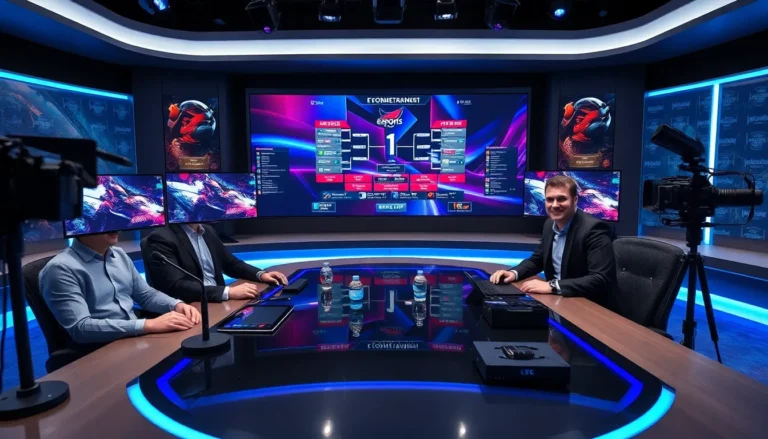
Esports coverage ideas can make or break an audience’s connection to competitive gaming. The industry has grown into a multi-billion-dollar market, yet many outlets still rely on the same tired formats. Viewers want more than match scores. They crave stories, personalities, and experiences that keep them coming back.
This article explores six proven esports coverage ideas that drive engagement. From live commentary to fan interaction features, each approach offers a fresh way to capture attention. Whether running a dedicated esports site or adding gaming content to an existing platform, these strategies help build loyal audiences.
Table of Contents
ToggleKey Takeaways
- Effective esports coverage ideas go beyond match scores—audiences crave stories, personalities, and interactive experiences.
- Live match commentary with expert analysis keeps viewers engaged, especially when paired with quality audio and quick post-match breakdowns.
- Player and team profiles humanize competitors and build lasting fan connections through origin stories, training insights, and video interviews.
- Behind-the-scenes content satisfies audience curiosity about pro gaming life, and authenticity often outperforms polished production.
- Tournament predictions and recaps create consistent content opportunities while driving discussion, debate, and return visits.
- Interactive features like polls, fantasy leagues, and prediction contests transform passive viewers into active, loyal community members.
Live Match Commentary and Analysis
Live match commentary remains one of the most effective esports coverage ideas for real-time audience engagement. Viewers tune in not just to watch games but to hear expert breakdowns of what’s happening and why it matters.
The best commentary goes beyond play-by-play narration. It explains strategy, highlights key decisions, and predicts outcomes before they unfold. When a League of Legends jungler invades enemy territory, skilled commentators tell audiences exactly why that move was brilliant, or foolish.
Several formats work well here:
- Duo casting: One commentator handles play-by-play while another provides analysis. This balance keeps energy high during action and offers depth during slower moments.
- Watch parties: Hosting community streams where fans react together creates shared experiences. These events often outperform solo viewing in engagement metrics.
- Post-match breakdowns: Immediate analysis after games captures audience attention while interest peaks. Quick turnaround matters, waiting hours loses momentum.
For those developing esports coverage ideas, investing in quality audio equipment pays dividends. Poor sound quality drives viewers away faster than almost anything else. Clear, crisp commentary signals professionalism and keeps audiences listening.
Player and Team Profiles
Player and team profiles add human elements to esports coverage ideas. Numbers tell part of the story, but personalities drive lasting fan connections.
Effective profiles dig into what makes competitors tick. What does a Valorant pro do before a championship match? How did a Counter-Strike team overcome a losing streak? These narratives transform anonymous gamers into relatable figures.
Profile content takes many forms:
- Origin stories: How players discovered their game and climbed competitive ranks
- Training regimens: Daily practice routines, coaching relationships, and skill development
- Off-screen lives: Hobbies, families, and interests outside gaming
- Career milestones: Major wins, roster changes, and defining moments
Video interviews work particularly well for this content. Audiences connect with faces and voices more than text alone. A five-minute interview clip often outperforms a 2,000-word written piece in shares and comments.
Seasoned esports coverage creators know timing matters. Publishing team profiles before major tournaments capitalizes on search traffic as fans seek information about competitors. This approach positions content exactly when demand spikes.
Behind-the-Scenes Content
Behind-the-scenes content offers esports coverage ideas that satisfy audience curiosity about professional gaming life. Fans want to see what happens off-camera, team houses, practice facilities, and tournament venues.
This content style humanizes organizations and players. A quick tour of a team’s gaming setup reveals equipment preferences and training environments. Footage from player lounges shows how competitors prepare mentally before matches.
Popular behind-the-scenes formats include:
- Day-in-the-life videos: Following players through typical training days
- Facility tours: Showcasing team headquarters and bootcamp locations
- Tournament access: Backstage moments at major events
- Team meetings: Strategy sessions and coaching interactions (with appropriate permissions)
Access defines success here. Building relationships with teams and tournament organizers opens doors to exclusive content. Organizations increasingly recognize behind-the-scenes coverage as valuable promotion, making partnerships mutually beneficial.
Authenticity matters more than production value in this category. Overly polished content can feel staged. Slightly raw footage often resonates better because it feels genuine. Audiences appreciate seeing real moments rather than scripted performances.
Tournament Predictions and Recaps
Tournament predictions and recaps represent essential esports coverage ideas for consistent content calendars. Major competitions happen regularly across multiple titles, providing steady opportunities for engagement.
Prediction content generates discussion and debate. When analysts forecast tournament outcomes, audiences agree, disagree, and share their own picks. This interaction drives comments, social shares, and return visits to see how predictions played out.
Strong prediction content includes:
- Power rankings: Ordered lists of team strength heading into events
- Match-by-match picks: Specific predictions for individual games
- Dark horse candidates: Identifying underrated teams poised for upsets
- Statistical analysis: Data-driven arguments supporting predictions
Recap content serves different purposes. After tournaments conclude, comprehensive summaries help fans who missed action catch up quickly. These pieces also preserve historical records for future reference.
Effective tournament recaps highlight key moments, standout performances, and surprising results. They answer the question every busy fan asks: “What did I miss?”
Combining predictions with recaps creates accountability. Revisiting earlier picks and acknowledging hits and misses builds credibility. Audiences respect analysts who own their incorrect calls rather than quietly ignoring them.
Interactive Fan Engagement Features
Interactive fan engagement features transform passive viewers into active participants. These esports coverage ideas invite audiences to contribute rather than just consume.
Polls and surveys generate quick engagement. Asking fans to vote on match outcomes, MVP candidates, or controversial plays takes seconds but creates investment. Results then become content themselves, shareable graphics showing community opinions.
Other interactive approaches include:
- Fantasy leagues: Season-long competitions where fans draft players and track performance
- Prediction contests: Rewarding accurate tournament brackets with prizes or recognition
- Community questions: Gathering fan submissions for player interviews
- Watch-along chats: Moderated discussions during live broadcasts
User-generated content expands reach significantly. Fan art showcases, highlight submission programs, and community clip compilations leverage audience creativity. Contributors share their featured work, introducing new viewers to the platform.
Gamification elements keep audiences returning. Leaderboards tracking prediction accuracy, badges for engagement milestones, and seasonal competitions create ongoing reasons to participate. These systems build habits around content consumption.
For esports coverage ideas focused on community building, consistency matters. Running weekly prediction games or monthly contests establishes expectations. Audiences plan around regular features they enjoy.