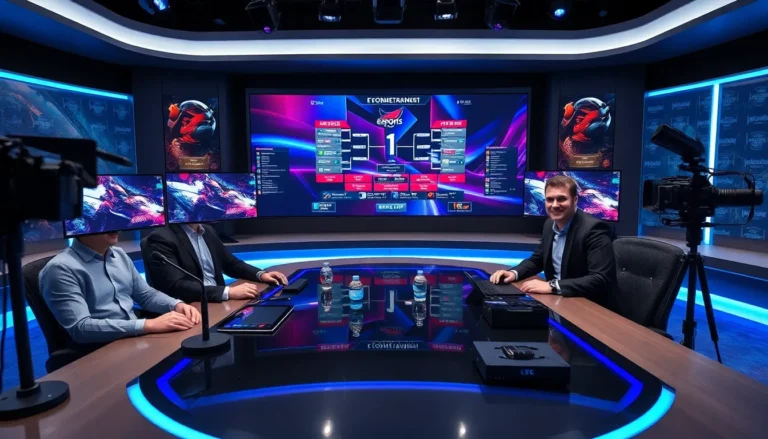
Esports coverage tips can separate average reporters from standout journalists in a rapidly growing industry. Competitive gaming now attracts millions of viewers worldwide, and audiences demand informed, engaging content. Whether someone covers League of Legends championships or Valorant tournaments, the fundamentals of quality esports journalism remain consistent. This guide breaks down practical strategies for reporting on competitive gaming with authority and authenticity.
Table of Contents
ToggleKey Takeaways
- Effective esports coverage requires deep game knowledge, including mechanics, terminology, and current meta strategies.
- Building genuine relationships with players, teams, and community members opens doors to exclusive stories and better access.
- Master multimedia skills like capturing game footage and optimizing content for different platforms to reach wider audiences.
- Use statistics to support your analysis, but always provide context to explain what the numbers actually mean.
- Develop a unique voice and storytelling angle to stand out in the crowded esports media landscape.
- Maintain credibility through accuracy, fairness, and consistent publishing schedules to build long-term audience trust.
Understand the Games and Competitive Landscape
Good esports coverage starts with game knowledge. Reporters can’t explain a clutch play if they don’t understand the mechanics behind it. This doesn’t mean becoming a professional player, but it does require genuine investment in learning.
Learn the Core Mechanics
Each esport has unique rules, strategies, and terminology. A Counter-Strike reporter should know the difference between an eco round and a full buy. Someone covering Dota 2 needs to understand draft phases and item builds. Spending time watching matches, reading patch notes, and following community discussions builds this foundation.
Playing the games helps too. Even casual experience provides context that pure observation can’t deliver. It’s one thing to read about mechanical skill: it’s another to feel how difficult certain plays actually are.
Follow the Competitive Scene
Esports coverage tips often emphasize staying current with tournament schedules, team rosters, and meta shifts. Major events like The International or the League of Legends World Championship set narratives for entire seasons. Knowing which teams recently acquired new players or which strategies dominate the current patch adds depth to any report.
Bookmark sites like Liquipedia, HLTV, and official league pages. These resources track statistics, match histories, and roster changes. A reporter who references accurate data earns credibility with readers who likely know the scene well themselves.
Build Relationships Within the Esports Community
Access matters in journalism, and esports is no exception. Building genuine connections with players, coaches, and industry figures opens doors to better stories.
Connect With Players and Teams
Professional players often maintain active social media presences. Following them on Twitter, watching their streams, and engaging respectfully creates familiarity. When interview opportunities arise, players appreciate reporters who clearly follow their careers.
Team managers and PR representatives serve as gatekeepers. Treating them professionally and meeting deadlines builds trust. A reputation for fair, accurate reporting makes future access more likely.
Engage With the Community
Esports coverage tips frequently overlook the importance of fan communities. Reddit threads, Discord servers, and Twitter discussions reveal what audiences actually care about. These conversations surface story ideas that press releases miss.
Attending live events, whether LAN tournaments or local watch parties, provides networking opportunities and firsthand experience. The energy of a crowd during a finals match offers perspective that remote coverage can’t replicate.
Master the Technical Side of Esports Reporting
Esports journalism often demands multimedia skills beyond traditional writing. Understanding technical requirements improves output quality significantly.
Capture and Use Game Footage
Most esports publishers allow content creators to use gameplay footage under specific guidelines. Learning these policies prevents copyright issues. Recording software like OBS Studio captures highlights for analysis pieces or social media clips.
Proper attribution matters. Credit broadcast sources when using tournament footage. Respect DMCA guidelines and platform-specific rules. Getting a video removed damages credibility.
Optimize Content for Different Platforms
Esports coverage tips should address platform-specific considerations. A 2,000-word feature works on a dedicated esports site but won’t perform on Twitter. Short clips with captions engage mobile viewers scrolling between matches.
SEO basics apply here too. Headlines should include relevant keywords while remaining readable. Meta descriptions need to summarize content accurately. Internal linking to related coverage keeps readers on site longer.
Use Statistics Effectively
Numbers tell stories in esports. Kill-death ratios, damage per round, and economy management stats all provide concrete evidence for analysis. Sites like Oracle’s Elixir for League of Legends or HLTV for CS2 offer detailed statistical breakdowns.
But, context matters more than raw numbers. A player’s stats might look poor because their team asked them to play a sacrificial role. Good reporters explain what statistics mean rather than simply listing them.
Develop a Unique Voice and Storytelling Approach
Technical knowledge and connections get reporters to the starting line. A distinctive voice carries them forward.
Find Your Angle
The esports media space includes hundreds of outlets covering the same matches. Standing out requires a perspective that readers can’t find elsewhere. Some reporters specialize in specific games. Others focus on business coverage, player profiles, or analytical deep dives.
Experimentation helps identify strengths. Try writing match recaps, feature interviews, and opinion pieces. Notice which formats feel natural and which resonate with audiences.
Tell Human Stories
Esports coverage tips often emphasize game knowledge while undervaluing narrative skills. The best journalism connects gameplay to human experiences. A rookie player’s journey from online ladder to main stage offers drama that pure match analysis lacks.
Players face burnout, team conflicts, and career uncertainty. Coaches balance strategy with personnel management. Organization owners navigate business pressures while maintaining competitive success. These angles appeal beyond core esports fans.
Maintain Credibility
Accuracy protects reputation. Double-check roster moves before publishing. Verify quotes with sources when possible. Correct errors promptly and transparently.
Fairness matters equally. Critical coverage should include opportunities for response. Avoid personal vendettas disguised as journalism. Readers recognize bias, and it undermines trust.
Consistency builds audience over time. Regular output, whether daily news or weekly features, gives readers reasons to return. A predictable schedule demonstrates commitment to the beat.